
Do you want a revolutionary product to make your back straight, improve posture and align the spine? Try the kneeling chair, an ergonomic office chair designed to change how we sit. Learn How to use a Kneeling chair properly for maximum comfort and health benefits.
In this article, we will give you an insight into what makes kneeling chairs tick as alternative seats towards a healthier living from an ergonomics point of view.
How To Use a Kneeling Chair? Tips and Techniques!
Unlock the secrets to optimal sitting comfort with our guide on How to use a kneeling chair effectively. Explore expert tips and techniques to maximize the ergonomic benefits of this innovative seating solution.
>> More Know About Kneeling Chair: Are Kneeling Chairs Good For You?
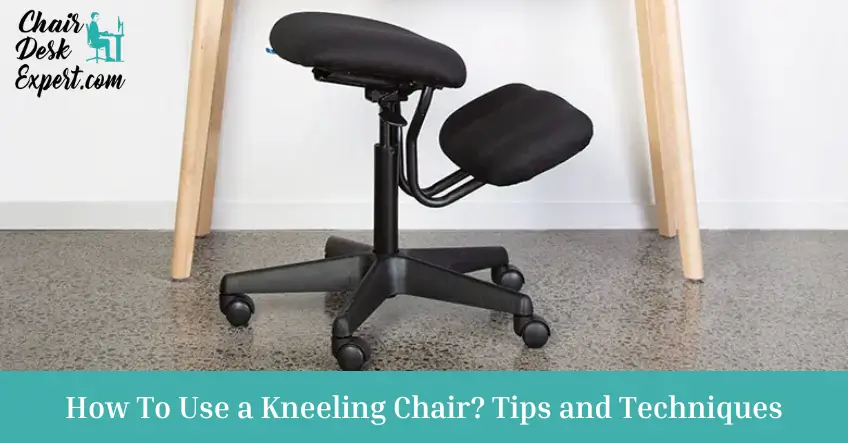
What Is a Kneeling Chair?
A kneeling chair has two seats: one for sitting on with buttocks and another for positioning knees. The design of these chairs is such that instead of being flat like traditional seats, they slope forward slightly, thereby making the pelvis tilt naturally and aligning the spine better in proper ergonomic position. Pads at shin level where shins rest prevent users from sliding off.
Sometimes, these types of chairs come equipped with additional features like backrests, swivel bases, casters, etc., all meant to enhance convenience during use.
Norwegian designer Peter Opsvik came up with this concept back in the 1970s when he wanted something that would disrupt conventional sitting postures by promoting more movement while seated.
Since their invention, people who spend many hours seated, including but not limited to office workers, students, artists, etc., have found kneeling chairs helpful.
These pieces aim to offer ideal body support so that people can maintain good posture even when they have long sitting sessions, thus reducing strain on backs and enhancing overall comfort levels during such times.
How to Use a Kneeling Chair Correctly?

Using a kneeling chair correctly is essential for reaping its benefits and ensuring comfort. Here’s how you can use a kneeling chair effectively:
1- Choose the Right Kneeling Chair:
When selecting your kneeling chair, make sure it matches your body type, preferences and workspace. Consider features such as adjustable height, seat angle and padding to find what suits you best.
2- Adjust the Height and Angle:
Set the seat height so your thighs slope slightly downwards and your feet rest flat on the floor or footrest. For maximum comfort, the ideal seat angle should be between 20 and 30 degrees.
3- Position Yourself Properly:
Sit on the front edge of the seat with your buttocks positioned towards the backrest. Lower your knees onto knee pads, shins parallel to the floor, and knees slightly apart.
4- Align Your Spine and Head:
Keep the spine neutral with a natural curve at the lower back; avoid arching or rounding the upper back. Keep the head in line with the spine, slightly tucking the chin inwards.
5- Relax Your Shoulders and Arms:
Shoulders should be relaxed, not shrugged or hunched over; maintain a 90-degree elbow angle and straight wrists aligned with forearms. Ensure the keyboard/mouse is at elbow level for ergonomic use.
6- Move and Change Positions:
Move around and change positions often to avoid sitting still for too long. Stretch or walk for a little every 15 to 30 minutes. Rock or swivel in the kneeling chair sometimes to mix it up and get your blood flowing.
7- Use sparingly:
Think of the kneeling chair as an addition to—not a replacement for—regular seating. Experts suggest that you sit on it continuously for no more than one to two hours at a time, taking breaks to sit or stand in other ways throughout the day.
8- Listen to your body:
If you feel uncomfortable when using this type of chair, pay attention. Modify settings and postures until they become comfortable again, providing necessary support for different parts of your body.
With these instructions, you can ensure that a kneeling chair is useful but does not harm your health. During extended periods of sitting, remember well-being, comfort, and good posture.
>> More Know About Kneeling Chair: Top Kneeling Chair for Short Stature
How to Sit In a Rocking Kneeling Chair?

Rocking kneeling chairs are excellent for promoting good sitting habits and relieving back pain caused by long hours of sitting. Here’s what you need to do when sitting in a rocking kneeling chair:
Position Yourself on the Seat:
- Sit back on the seat cushion, ensuring that your buttocks are touching it at its entire length.
Place Your Shins on the Knee Pad:
- Make sure that both shins touch this knee pad provided such that feet hang behind;
- Distribute weight equally between knees & seat for maximum comfort plus supportiveness.
Lean Forward Slightly:
To maintain balance & support while sitting upright, lean forward slightly, then put your hands onto the desk surface right in front of you;
Engage Your Core Muscles:
- Keep your back straight up using core muscles only;
Relax shoulders without rounding them too much so they remain loose but supported against each other at least halfway through their relaxed position downwards (not completely dropped).
Rock the Chair Gently:
- Relax feet, allowing them to rock gently back and forth;
- This movement helps relieve tension within muscles around the hips – thus improving blood circulation thereat.
Additional Tips for Sitting in a Rocking Kneeling Chair:
Use Side Handles (if available):
If this type has side handles, hold them tightly while sitting or moving from one position to another, ensuring stability throughout.
>> More Know About Kneeling Chair: Are Kneeling Chairs Good For Sciatica Pain Relief?
Avoid Using Back Support (if possible):
- Try not to lean back against any form of backrest that may be fitted onto this particular kind of seat;
One should sit up straight, using only lower body strength, to fully engage abdominal muscles and maintain correct posture at all times.
Change Leg Positions:
- Experiment with different leg positions as often as possible when using such a chair;
Keep alternating between having both shins rest on top of each other over the pad provided or letting one-foot rest flat down onto the floor surface—this helps prevent stiffness and enhances flexibility within joints.
Alternate Between Sitting and Standing:
- Take breaks where kneeling chairs are alternated with standing desks every 45 minutes approximately;
- Such rotation aids in preventing prolonged static sitting, which leads to unhealthy sitting habits, generally speaking.
These are simple rules and tips that, if followed, can make someone enjoy their time with rocking kneel chairs more by improving comfort levels and posture while working for long hours behind tables.
Always remember to adjust accordingly, depending on personal needs, until you find the most comfortable sitting position.
>> More Know About Kneeling Chair: Best Kneeling Office Chair
What are the learning Curves For First-Time Users?
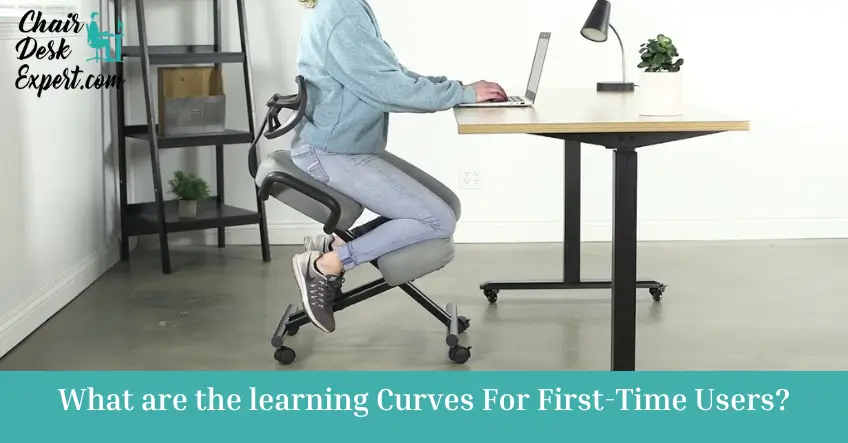
The learning curve of an ergonomic kneeling chair, as opposed to traditional seating, can be a bit steep for beginners. Here is what you might expect:
Initial Discomfort:
Shifting to a kneeling chair requires your body to get used to a new posture, so muscles not commonly exercised while sitting on standard chairs may ache.
Core Muscle Activation:
When using this type of chair, you activate your core muscles, which help you maintain balance and maintain proper position.
Hence, at first, you may have soreness in your belly and lower back because these areas support more weight in the new posture.
Gradual Adaptation:
Start with short periods on the chair, which gradually increase over time as your system attunes itself. Initially, alternating between traditional seats and kneeling ones will reduce pain.
Better Sitting Posture & Comfort:
As muscles get used and more robust, there will be less slouching or lower backaches. Lower back discomforts disappear since they’re designed ergonomically to align spines naturally, relieving pressure off them, too.
Combined With A Standing Desk:
If possible, try using these two together – alternate sitting down then standing up frequently, thereby more blood circulating while avoiding stiffness caused by staying still continuously.
Be Patient And Keep Trying:
Don’t rush through it all, but take one step at a time with continuous use based on how well your body responds until you eventually achieve the proper posturing so no more pains are experienced.
Everyone is different:
However, most people find that although uncomfortable, initially ergonomic kneelers offer long-term relief from chronic pain associated with lousy sitting habits.
>> More Know About Kneeling Chair: Better Posture Unlocked: (Top Picks) Best Kneeling Chair
Experiment and Test:
You can change the settings of your chair and try sitting in different positions for some time to find the most comfortable arrangement.
Make sure that these changes promote good posture, with an aligned spine and no strain on the back or legs.
Regular Check and Adaptation:
Check periodically on how well your body has adapted to this type of chair by making necessary adjustments accordingly;
Do continuous reviews while using it for a prolonged period so that you can make those changes, which will ensure comfort and ergonomic support throughout.
By correctly adjusting a kneeling seat to fit one’s height and other dimensions, maximum ergonomic benefits may be achieved with minimum discomfort associated with adopting new postures while sitting down.
Conclusion
Now you know very well about How to use a kneeling chair after reading this article. Proper use of a kneeling chair may help you improve your posture and feel more comfortable.
You can tap into all this ergonomic seating arrangement offers by following the advice and tactics provided above.
Remember the right pose, take rests as often as necessary, and respond to what your body tells you. With persistent utilization and deliberate modifications, kneeling chairs will serve as important instruments to pursue better sitting habits.
FAQs! (Frequently Ask Questions)
1-What is the best way to use a kneeling chair?
Place most of your weight on the chair’s seat, using the cushions beneath it to support your shins. Start by sitting on the seat before adjusting your legs and shins into a kneeling position.
2-What is the point of a kneeling chair?
A kneeling chair reduces lower back strain by distributing the body’s weight between the shins and buttocks. It’s particularly beneficial for individuals experiencing tailbone or coccyx pain from prolonged sitting.
3-Do doctors recommend kneeling chairs?
Chiropractors often recommend kneeling chairs because they help maintain the spine’s natural curvature and alleviate lower back discomfort.
4-Is a kneeling chair better than a regular chair?
Kneeling chairs can improve neck and back strength and blood circulation and reduce chronic arm and hand pain, potentially making them a healthier option for sitting compared to regular chairs.
5-How long should you sit in a kneeling chair?
According to Barrios, you should ideally take breaks every two hours when using a kneeling chair to maintain good posture and prevent strain.