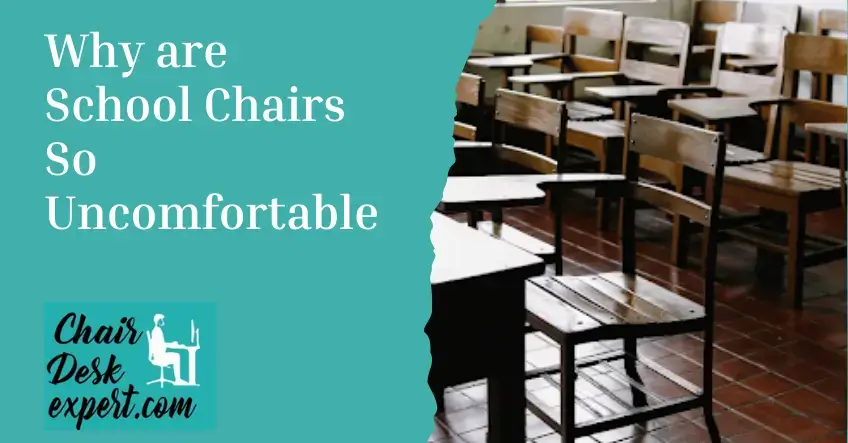
Is an uncomfortable school chair your childhood memory? Many of us had a bad school chair experience in our childhood. The reason behind this is These chairs are very poorly designed, but why is it so?
School chairs are generally uncomfortable due to their poor design and hard surfaces. Such chairs are not conducive to different body types, which can cause pressure points and alignment issues.
Moreover, these chairs can develop attention problems and postural changes in students that can lead to long-term chronic pain or other health problems.
Let’s find out why are school chairs so uncomfortable? What we can do to improve the situation.
Why Are School Chairs So Uncomfortable? Main Reasons

Below is the list of main reasons why school chairs are so uncomfortable?
1- Lack of Armrests:
School chairs do not contain arm sets, and the students are forced to sit awkwardly. It can lead to muscle pain and discomfort in students.
2-Nonexistent Lumbar Support:
School chairs often lack proper lumbar support, contributing to lower back pain. The design, coupled with students sitting too far back, can cause severe discomfort.
3-Prolonged Sitting:
Students spend extended hours in school chairs, resulting in chronic aches and pains. The lack of effort to change positions exacerbates discomfort in arms and legs.
Read more:>>>>All-Day Comfort on a Budget: Best Office Chairs Under $200
4- Limited Movement:
Students tend to restrict movement in their chairs, impacting muscles and causing stiffness. Encouraging more movement can prevent cramps and stiffness.
5- Low Seat Height:
Inappropriate seat heights lead to discomfort, with chairs being too low for comfortable extended sitting, causing stress and strain on students’ bodies.
6- Narrow Seat Width:
Extremely narrow seats force students into unnatural positions, straining muscle groups, especially in the lower legs, and potentially causing long-term damage.
7- Firmness of the Seat:
proper cushioning and firmness in school chairs are absent; it can make sitting for extended periods uncomfortable. Moreover, the reclining of the chair, if too upright, can cause aches and pains in students.
8- Poor Cushioning:
The use of cheap materials like cardboard or thin foam in seat construction leads to discomfort, pressing on lower legs and causing soreness during prolonged sitting.
9- Hard Seats:
Chairs that are too high can make students’ feet numb if they don’t touch the floor, contributing to discomfort in arms and legs.
10- Poor Quality:
Many schools use old, worn-out chairs made with cheap materials. These chairs risk students’ health, causing discomfort and potentially breaking down over time. Investing in new, quality school chairs is essential for students’ comfort and well-being.
Read Also: Top Benefits Of Using A Drafting Chair
Potential Consequences of Uncomfortable School Chairs:

1-Cognitive Problems:
School chairs are uncomfortable; this results in restlessness and poor concentration in students, as well as memory issues. These issues negatively affect students’ ability to learn.
2- Physical Complications:
Improper classroom furniture, often with hard and sloping seats, can lead to blood circulation and digestion issues, shoulder, neck, and back tension, and spine compression, particularly during prolonged periods of sitting.
3-Anatomical Issues:
Non-adjustable desks and chairs may not accommodate varying student sizes, potentially affecting proper posture development. Adaptable school furniture is a worthwhile investment to support students’ individual needs.
4-Poor Posture Habits:
Poor posture habits formed during childhood can lead to long-term health issues, including difficulty breathing, heart disease, obesity, and cancer. Teaching proper posture from a young age and providing ergonomic chairs can help mitigate these problems.
Read more:>>>> Top 6 Ergonomic Office Chairs for Ultimate Posture & Support
How to Make Students’ Chairs More Comfortable:
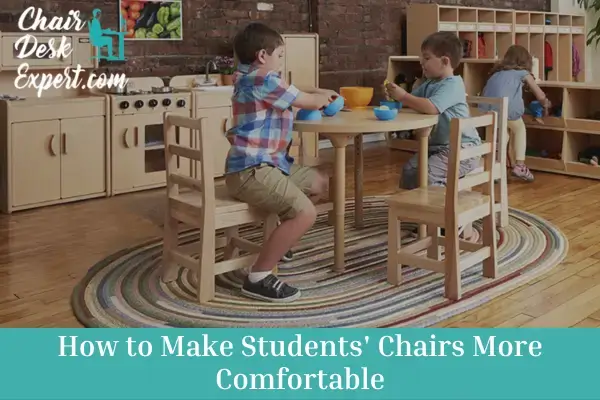
With technological advancements, students spend more time sitting, making the comfort of school furniture essential. Uncomfortable chairs contribute to sedentary behavior, impacting circulation, posture, and back pain.
Strategies to improve comfort include incorporating timers to remind students to move every 20 minutes, providing accessible playgrounds or walking paths, and making physical activity a part of the daily routine.
1- Poor Mechanics:
Students with back pain should avoid sitting completely upright. A slight recline at around 110 degrees can reduce spinal disc pressure by up to 35%. Poor posture, such as looking down at computers or books, increases pressure on the cervical spine, leading to additional strain. Students’ continuous downward gaze at screens contributes to neck pain and discomfort.
2- The Correct Way to Sit:
Maintaining proper posture is crucial to avoid severe back problems. Hunching forward and slouching can compress the spinal cord and stress the back. Ensuring an ergonomic sitting position, avoiding stooping, and being aware of spinal disc pressure at different angles are essential for preventing discomfort and pain.
3- Redesigning Chairs:
Redesigning chairs to prioritize ergonomic principles and comfort can significantly address the issue of uncomfortable seating. Consideration of proper lumbar support, armrests, and seat dimensions can contribute to a more user-friendly and supportive chair design.
4- Providing Adjustable Chairs:
Offering adjustable chairs in classrooms allows for customization based on individual needs and body sizes. Adjustable features such as seat height and backrest angles empower students to create a seating arrangement that suits their comfort, promoting better posture and reducing discomfort.
5- Using High-Quality Materials:
Utilizing high-quality materials in the construction of school chairs ensures durability, comfort, and long-term usability. Investing in chairs made from premium materials contributes to a more supportive and pleasant seating experience, addressing concerns related to physical discomfort and potential health issues.
Why are school chairs so uncomfortable?- Final Thoughts
The prolonged use of uncomfortable school chairs poses significant health risks to students, including poor circulation, pinched nerves, and muscle deterioration.
The adverse effects extend beyond physical discomfort, impacting cognitive functions, learning, and potentially leading to long-term anatomical issues. It is imperative to address this issue promptly, considering the broader implications on students’ well-being and academic performance.
By redesigning chairs to prioritize ergonomic principles, providing adjustable options, and using high-quality materials, schools can create an environment that promotes student comfort and health.
Recognizing the importance of investing in comfortable seating is not only a matter of immediate physical well-being but also contributes to a positive learning experience.
A call to action is extended to schools to prioritize and invest in ergonomic and comfortable seating solutions, fostering an environment that enhances both physical and academic development for students.
Why are school chairs so uncomfortable? This issue must be resolved to save our children’s health and performance. So, give it top priority.
FAQs on Why are school chairs so uncomfortable?
Q: How do you sit comfortably in a school chair?
A: Position your hips to the back of the chair, keep both feet flat on the floor, and avoid crossing your legs. Maintain a slight curve in your lower back to prevent hips from rolling under and lower back slumping.
Q: Why do school chairs have a hole in the back of them?
A: The holes in school chairs serve for ventilation, preventing back sweating during extended periods of sitting. This design feature is common in wooden chairs to enhance comfort.
Q: Why do schools need better chairs?
A: Equipping classrooms with the right furniture gives students greater flexibility and movement and reduces distractions. Ergonomic seating facilitates active learning, contributing to students’ overall achievement.
Q: Why don’t schools have ergonomic chairs?
A:There are three main reasons: price, investment, and durability. Many schools opt for sturdy, low-cost furniture due to potential wear and tear from students. Durability is often prioritized over functionality.
Q: What are the disadvantages of classroom seating?
A: Students in the last rows may experience distractions, lose focus, and fail to engage in conversations. Disengagement can occur during lessons, especially those designed for interaction. This layout makes it challenging for instructors to observe students in the mid and back rows